
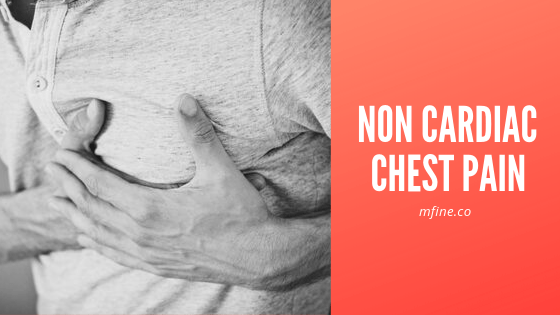
Non-cardiac chest pain (NCCP) is a sudden pain due to reasons that do not involve heart attack. Chest pain due to heart attack is often referred to as ‘angina pectoris’. A heart attack is a serious condition in which the blood vessels are blocked, preventing the blood flowing into the heart. But NCCP is a condition that is predominantly caused by a condition called Gastroesophageal Reflux Disease (GERD). It is a state in which the acid flows backwards into the oesophagus, causing irritation that leads to NCCP. But there are also other reasons causing NCCP, which are lung infections, muscle spasms, stress, anxiety and hypertension. Sometimes, food gets stuck in the oesophagus due to muscle motility issues. Under such conditions also NCCP can be triggered.
The general symptoms of Non-cardiac chest pain are the typical crushing chest pain that spreads across the left arm. Sweat and fatigue are also common symptoms that accompany chest pain. Sometimes, you have a bitter taste in your mouth. Nausea and vomiting are rare symptoms, but can also show up in a few people. If acid refluxes are the cause of the NCCP, then chest pain can occur while eating. This pain can prolong from seconds to hours. Ensure to check with your Cardiologist for better treatment and cure.
General ECG and chest X-ray tests are done to confirm if the chest pain is Non-cardiac chest pain. Sometimes, blood tests are taken to verify the NCCP. Medications are based on your doctor’s advice. Depending on the causes of NCCP, your doctor will prescribe the required medicine. Like any heart disease, with simple lifestyle changes, you can prevent the occurrence of Non-cardiac chest pain. Regular walking, swimming and exercise are essential. Moreover, proper diet and timely meals are vital for preventing the onset of any disease like Non-cardiac chest pain.
It is best to consult a cardiologist if the pain does not reduce.
 mfine Health Blog